For some children and young people, residential care provides the support, stability and specialist help they need. This is essential at a particular point in their lives.
As they grow in confidence and build new skills, many reach a stage where they are ready for a different kind of environment. In many cases, this means the opportunity to become part of a foster family.
This transition from residential care into fostering is often known as Step Down Fostering.
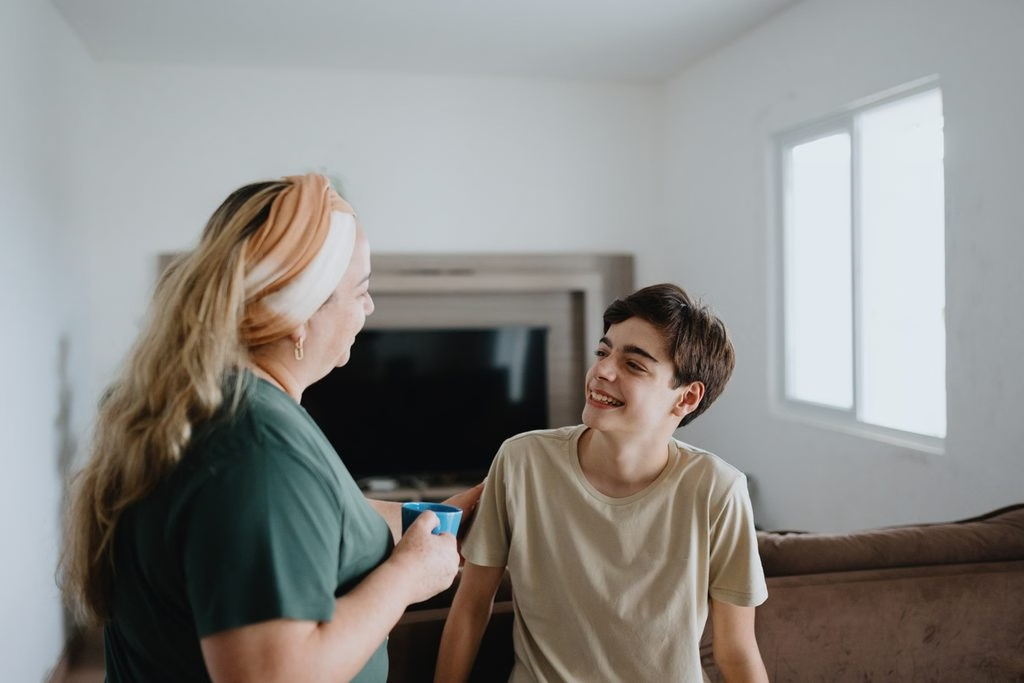
Step Down Fostering is about helping a young person build new relationships and develop a sense of belonging. Moreover, it helps them take an important step towards family life.
However, moving from a residential setting into a foster home can be a significant change. New routines, new relationships and new expectations can bring both excitement and uncertainty.
That’s why careful planning and the right support are essential.
Every step down journey is different
No two young people are the same.
Some may be looking forward to joining a foster family. However, others may feel nervous about leaving a setting where they have established trusted relationships and familiar routines.
Young people often have questions about what life in a foster family will be like and what is expected of them. Additionally, they wonder how their relationships with important people in their lives might change.
For foster carers, there can be questions too. Understanding a young person’s experiences, recognising the impact of trauma and building trust takes time and patience.
A successful transition depends on everyone working together around the child or young person.
How WAYPOINT supports Step Down Fostering
WAYPOINT is our specialist therapeutic and trauma-informed service that supports children and young people. It helps as they move from residential care into fostering.
Once a foster family has been identified, WAYPOINT works alongside the young person, foster carers, family members and professionals. They help prepare for the move and provide support throughout the transition.
The aim is simple: to help young people feel safe, understood and supported as they take this important next step.
Putting young people’s voices at the centre
At the heart of the WAYPOINT approach is a commitment to listening.
We help young people explore their thoughts, feelings and hopes for the future. In addition, we ensure their voices remain central to the planning process.
This can include creating safe spaces where they can:
- Share their experiences and concerns
- Ask questions about the move
- Explore worries about family life
- Develop confidence in expressing their views
- Build positive relationships with the people supporting them
By understanding what matters most to a young person, we can help shape support around their individual needs.
Supporting relationships and stability
Strong relationships are often the foundation of successful Step Down placements.
WAYPOINT provides direct work with young people around:
- Emotional wellbeing and emotional regulation
- Building trust and healthy relationships
- Confidence and self-esteem
- Social and communication skills
- Safety planning
- Establishing routines and boundaries
We also support foster carers and professionals to understand the challenges that may arise during a transition. Then, we help them develop creative, supportive responses that help maintain stability.
Working together around the young person
A successful move into fostering is never achieved by one person alone.
WAYPOINT works with the wider network of people involved in a young person’s life. This includes foster carers, social workers, residential staff, education professionals and family members where appropriate.
By bringing together different perspectives and experiences, we can create a shared understanding of what support is needed. Furthermore, we work to determine how best to provide it.
Regular network meetings and reviews help ensure that support evolves alongside the young person’s needs and progress.
Could you support a young person’s next step?
For Step Down Fostering to succeed, we need foster carers who can offer stability, understanding and a commitment. Most importantly, they must be committed to helping young people thrive.
Through WAYPOINT, Specialist Foster Carers receive therapeutic and trauma-informed support. This prepares them to navigate the transition alongside the young person and the wider professional network.
For young people like Alex, a foster family can provide the opportunity to build lasting relationships. It also allows them to experience family life and continue the progress they have already worked so hard to achieve.
If you’ve ever considered fostering, becoming a Specialist Foster Carer could help a young person. This would allow them to take their next step towards a brighter future.
Find out more about becoming a Specialist Foster Carer with South Gloucestershire Council.