In celebration of World Social Work Day, we’re hearing from Abby, a student social worker, about why she chose to return to education and pursue a career in social work.
Abby shares the reasons behind her decision and what her journey to becoming qualified has been like so far. Her story highlights the dedication and challenges that come with working toward a career that makes a real impact in people’s lives.
Abby’s social work story
“I always knew I wanted to do something with people and make a difference. But, without GCSEs or A Levels, I couldn’t do a degree, so education had become a big barrier.
“This changed during covid because of home-schooling my children. I quickly realised I couldn’t help them with their Maths, even though they were only primary school level. At the same time, there seemed to be loads of stories in the news about children being harmed in the home, and I wanted to do something to help.
“That’s when I decided to return to education and become a social worker.”
My path to social work
“I got my Maths GCSE first and then went on and did an Access Course in Social Work with City of Bristol College. Once I’d completed that, I enough credits to apply to (insert name of university) to do my Social Work Degree.
“It’s a three-year course to become a social worker. Year one is all about learning the theory and you shadow a social worker to get a feel for what’s involved. This gives you a basic understanding of social work including social policy and law, and the life course, which is interesting as it covers sociology and psychology. This year is all about laying the foundations and preparing you for work-based placements.
“Year two involves a seventy-day placement, you go to university one day a week and do on-the-job placement for the other four days. You then go back to uni for six weeks to finish your learning. Year three is similar, but with more time spent on placement.
“I’ve been with South Glos Council since the beginning. I did my shadowing with the Hospital Discharge team, followed by a stint in Children’s Social Carer and Preventative Services and I’m finishing my last year in the Fostering Services team.”
A typical day as a student social worker
“My day may start with a visit to a foster carer to go through their monthly supervision. This meeting involves checking in on them, finding out how they’re getting on, how their foster placement is going and answering any questions or addressing any concerns they may have.
“I then come to the office to write up my notes to record what we talked about. I’ll catch up with my supervising social worker and colleagues, then tend to emails, teams calls and network meetings.
“I’m also working on Life Story Book, which is a book to give a child who started out in a fostering but is now going to be adopted. It’s all about her life story, explaining how she came into care and what moving on to adoption means. Life Story work is incredibly helpful in helping children and young people understand traumatic and confusing events by explaining what took place and why, in a way they can understand.”
The best bits
“One of the foster carers I’m supervising got approved on my first day in the fostering team. I met them her at panel on day one and have been supporting her ever since.
“We’ve been on a learning journey together, which has been really nice. If she asks me something and I don’t know the answer, I will go and find out. It’s been great for my development; it’s like we’re in it together!
“I’ve really enjoyed getting to know her, understanding foster care from her point of view as well as working with the children’s social workers and thinking about it from that side to.
“I’ve always enjoyed being on placements, working as part of a team and learning from real life situations. Work-based placements give you an amazing opportunity to embed the theory learnt in the classroom.”
The challenges
“I found the more challenging elements of the role are around understanding processes and legalities, why things must happen and why they must happen in a particular way. Terminology and acronyms can be confusing too, and working out who does what and who everyone is takes a while because of our hybrid working environment.
“But there is so much support and everyone is helpful. I have a weekly supervision with my supervisor and practice educator where I can discus worries and anything I am struggling with. Supervision allows you to reflect on theory and reflect on the Professional Capabilities Framework.”
What’s next?
“Once I attain my qualified social worker status in April, I’m hoping to secure a ASYE (Assessed and Supported Year in Employment) working with children.
“ASYE is designed to support you as a newly qualified social worker. It ensures you’ll benefit from on-going supervision and support, with fewer and less complex cases than a more experienced social worker would have. It allows you to continue to develop your skills and experience during your first year as a qualified social worker.”
Abby’s advice for aspiring social workers
“If you’re thinking about it, go for it! It’s interesting and the degree changes your thinking which is really good. If you’re got an interest in it, my advice would be to definitely pursue it.
“And once you’ve started, be proactive about keeping up to date with what’s going on with policy updates, best practice and research, as it will help with your studies and your placements.”
Thinking of becoming a social worker?
At South Gloucestershire Council our social workers are given all the support they need to provide an excellent service and make a real difference to vulnerable local people.
We’re making big investments in our services, we keep workloads manageable, we welcome flexible working and we’re recognised for the opportunities we provide for career development, training and secondment.
- Find out more about social work training and development with South Glos Council
- Find out more about Social Work careers with South Glos Council.
- Find out about South Glos Council’s ASYE Academy
- Social Work Degree at University of the West of England
Step up to Social Work
Applications for the 2026 Step Up to Social Work programme are open and close on Tuesday 25 March 2025.
Step Up to Social Work is open to anyone with a degree who is looking to start a career in adult or family social work. Through a combination of academic study and hands on social work experience, participants qualify with a Postgraduate Diploma in Social Work on successful completion of the programme.
The Department for Education also provide funding via a tax-free bursary payment of £21,995 and payment of University fees for successful applicants.
South Gloucestershire Council have placement opportunities for Step Up students , providing a fantastic opportunity to take the first step in rewarding social care career. To find out more about application process and entry requirements, visit Step Up to Social Work.
What is World Social Work Day?
World Social Work Day is celebrated on the third Tuesday in March to honour the hard work of social workers. It highlights their role in advocating for social justice, human rights, and positive change. Social workers support individuals and communities, help in crises, and connect people with resources to improve their lives. It’s a day to recognize the difference they make every day.
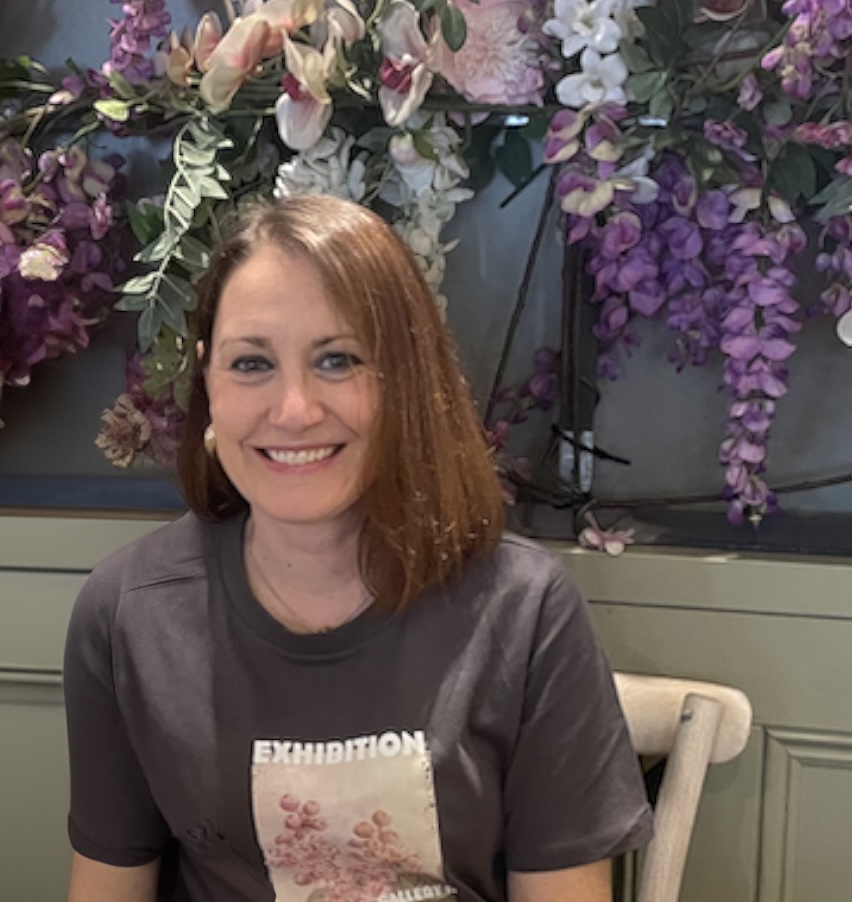
Abby
student social worker
Abby is just about to become a qualified social worker with South Gloucestershire Council.